
The Refugee issue is a burning topic in Greece, but as well in Germany. Therefore it was a constant topic during the whole forum. In workshops, field visits and talks Greeks and Germans exchanged insights about the countries realities.
Starting their journey in Frankfurt, Patras, Munich or Athens, the participants arrived in Thessaloniki with a lot of expectations on the 2nd Greek-German Youth Forum. Filled with dreams and ideas for a new era in both, the two countries and the cooperation in the youth sector. With the hope for a positive change. For a generation that is experiencing some very tough challenges, international collaboration tends to be one of the most decisive tools allowing people to find much needed solutions to the problems they face. The success of their objectives was based largely on the analysis and understanding of critical issues for both countries as the refugee issue is one. Weiterlesen
 I came here with not that many expectations – I just wanted to find one partner organisation for eco building in Greece and finally I managed to find four! With one of them I am going to have a cooperation in Lefkada. I will go there for two days after the end of the forum. The other partner is a German guy who is going to visit us in Berlin in order to discuss about our plans. Another potential Greek partner approached me in order to find out if I am willing to do a project together with him. So we are going to have a meeting in October. The Greek-German Youth Forum was a nice and fruitful experience for me. Although I think that there was a need for extra workshops and time. I loved the creativity walk that we had and the variety of NGOs that were participants of the Forum. Also coffee breaks were absolutely perfect, because we had the sufficient time to discuss with other organizations and make collaborations. I would really like to participate in the 3rd Greek-German Youth-Forum.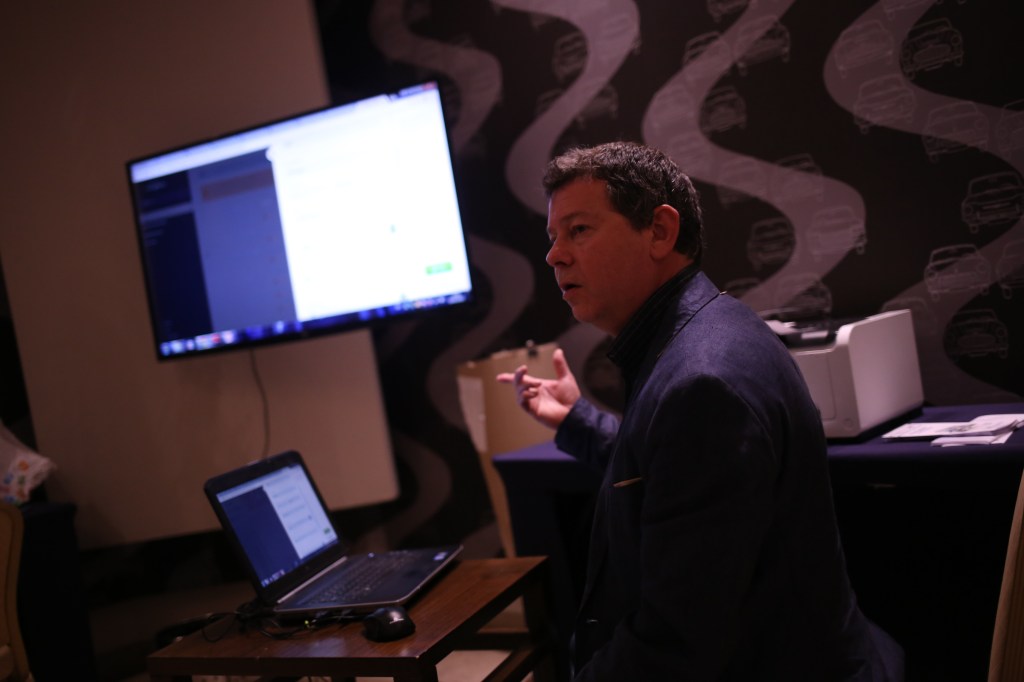


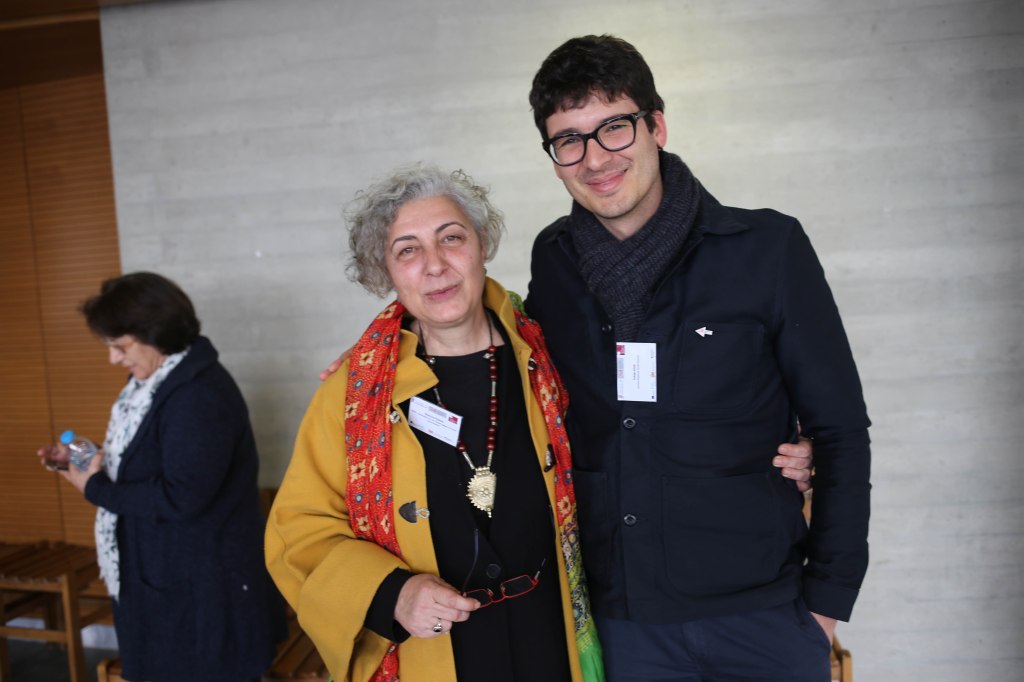
 When it comes to bilateral cooperations a framework is needed. Discussions, action, budget, priorities, evaluation – all of these matters need a framework for contracts while figuring out if this policy is to be accepted or not. „The Greek are lacking this framework“, admits Katerina Poutou, social worker and representative of the NGO Arsis. Tobias Köck from the German National Youth Council seconds on that: „It is important to have strong structures and concrete concepts with evaluation“, he says. „But is also important to get in touch with youth and to ask them what they want to do. So participation is the main key and we should be focused on this.“
 In the speeches it was mentioned that Greek students learn by heart the subjects that are being taught at school. In that way students can’t participate in society. You need competence, something that is possible to be gained only with personal research. Sometimes the information we study are not valid, so each person, each student has to seek knowledge and come to his one conclusion. Personal opinion and critical mind are weapons nowadays. This Youth Forum is really important not only for the participants, but also for youth in general. If organizations want to fulfil youth exchanges, they need networking and partners in other countries. I hope that the Greek-German Institute is going to be founded and our relationships will be improved. As NGOs we hope to do our best for this specific purpose, our youth, our future, by not being affected by political issues. The only need of politics is for their subsidy to us in order to continue our work.


 Blog zum Deutsch-Griechischen Jugendaustausch / Blog για τις Ελληνογερμανικές Ανταλλαγές Νέων